

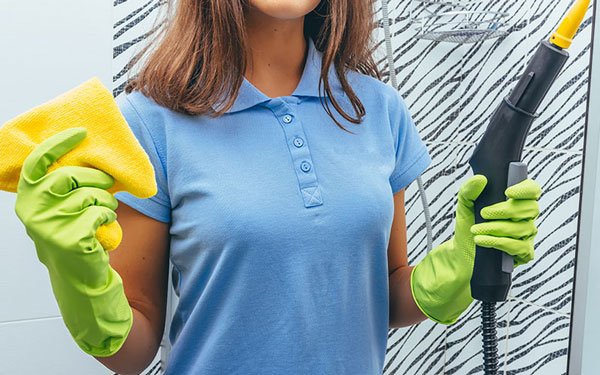
Maintaining a germ-free bathroom is crucial for a healthy and hygienic living environment. Bathrooms are breeding grounds for bacteria, viruses, and fungi, which can cause a variety of illnesses and infections. In this essay, we will discuss the importance of keeping your bathroom germ-free and provide practical tips on how to achieve this. The Importance of a Germ-Free BathroomA germ-free bathroom is essential for preventing the spread of illnesses and infections. Bathrooms are used by multiple people, making them a hub for the transmission of germs. When not properly cleaned and disinfected, bathrooms can harbor a multitude of microorganisms, including E. coli, Salmonella, and Influenza. These germs can cause a range of illnesses, from mild stomach upsets to life-threatening infections. Maintaining a germ-free bathroom is crucial for a healthy and hygienic living environment. Regular CleaningRegular cleaning is the cornerstone of maintaining a germ-free bathroom. This involves cleaning and disinfecting all surfaces, including the toilet, sink, countertops, mirrors, and floors. The toilet, in particular, requires special attention, as it is a breeding ground for bacteria and viruses. The toilet seat, lid, handle, and bowl should be disinfected daily, using a toilet cleaner that contains a disinfectant. Disinfecting High-Touch AreasHigh-touch areas, such as the toilet handle, sink faucets, and doorknobs, require special attention. These areas are frequently touched by multiple people, making them a hub for the transmission of germs. Disinfecting these areas regularly can help prevent the spread of illnesses and infections. Maintaining Good HygieneMaintaining good hygiene is also crucial for keeping your bathroom germ-free. This involves washing your hands thoroughly after using the bathroom, showering or bathing regularly, and cleaning the shower and bathtub after each use. By maintaining good hygiene, you can help prevent the spread of germs and keep your bathroom clean and healthy. Additional TipsIn addition to regular cleaning, disinfecting high-touch areas, and maintaining good hygiene, there are several other tips that can help keep your bathroom germ-free. These include using a bathroom cleaner that contains a disinfectant, drying the bathroom floor and surfaces after cleaning, and replacing bathroom accessories, such as toilet brushes and bath mats, regularly.
The Importance of Regular Window Cleaning
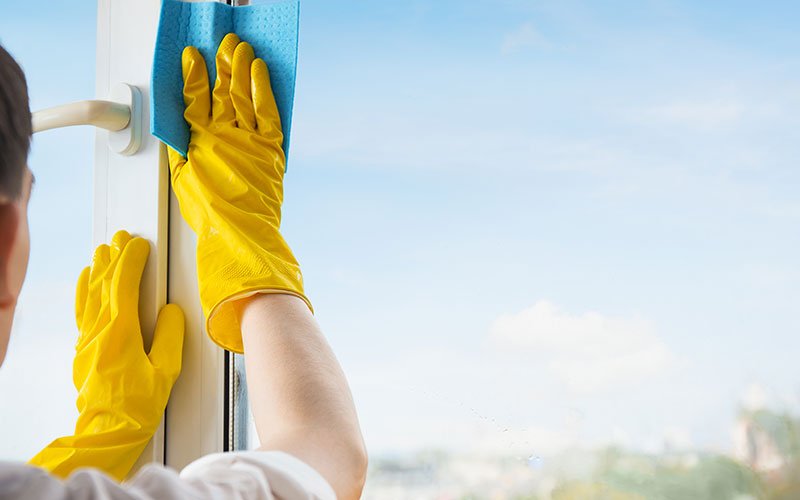
Regular window cleaning is a crucial aspect of maintaining a clean and healthy home or office environment. Clean windows not only enhance the aesthetic appeal of a building, but they also provide numerous benefits for occupants and the structure itself. In this essay, we will explore the importance of regular window cleaning. Natural Light and VentilationClean windows allow natural light to enter a building, reducing the need for artificial lighting and promoting a healthier environment. Natural light has been shown to boost mood, energy levels, and productivity, while also supporting the body’s natural circadian rhythms. Furthermore, clean windows enable proper ventilation, which helps to remove stale air and reduce the risk of mold and mildew growth. Regular window cleaning is a simple yet essential task that offers numerous benefits for occupants, buildings, and the environment. Energy EfficiencyDirty windows can significantly reduce a building’s energy efficiency. When windows are clogged with dirt, grime, and other substances, they can absorb heat and reduce the effectiveness of heating and cooling systems. Clean windows, on the other hand, allow heat to escape in the summer and retain warmth in the winter, reducing the strain on heating and cooling systems and lowering energy bills. Maintenance and DurabilityRegular window cleaning is essential for maintaining the durability and longevity of windows. Dirt, grime, and other substances can cause windows to deteriorate over time, leading to costly repairs or even replacement. Clean windows, however, can help prevent damage from weathering, corrosion, and other environmental factors, ensuring that windows remain functional and secure for years to come. Health and SafetyDirty windows can pose health risks to occupants, particularly those with respiratory issues or allergies. Mold, mildew, and other microorganisms can thrive on dirty windows, releasing spores and toxins into the air. Regular window cleaning can help prevent the growth of these microorganisms, creating a healthier environment for everyone. Aesthetic AppealFinally, clean windows can greatly enhance the aesthetic appeal of a building. Dirty windows can make a building appear neglected and uninviting, while clean windows can create a bright, welcoming atmosphere. Whether it’s a home, office, or commercial property, clean windows can make a lasting impression on visitors and passersby.
The Ultimate Guide to Deep Cleaning
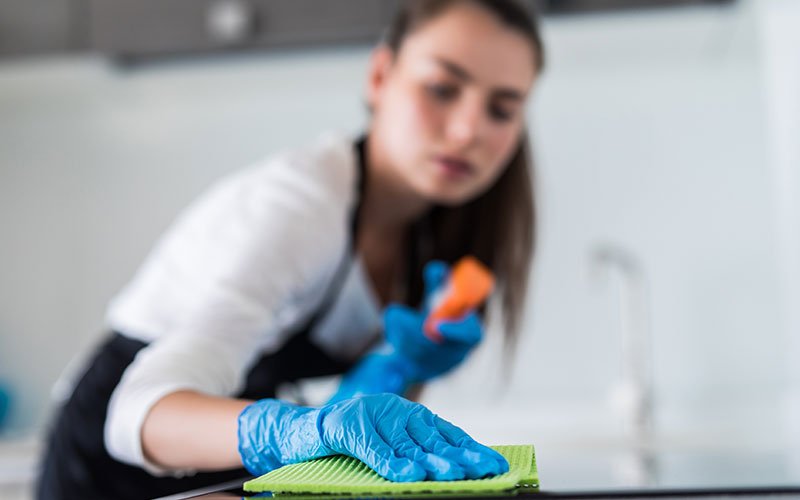
Deep cleaning is an essential aspect of maintaining a clean, healthy, and organized home or workspace. It involves thoroughly cleaning and sanitizing all areas and surfaces, paying attention to details and tackling tough stains and grime. In this essay, we will explore the importance of deep cleaning, provide a step-by-step guide on how to do it effectively, and offer valuable tips and tricks to make the process easier and more efficient. First and foremost, deep cleaning is crucial for maintaining a healthy environment. Dust, dirt, and grime can accumulate on surfaces, harboring allergens, bacteria, and viruses that can cause illnesses and infections. By deep cleaning regularly, we can remove these harmful substances, reducing the risk of health problems and creating a safer and healthier space for everyone. To deep clean effectively, it’s essential to start with a clear plan and the necessary supplies. This includes cleaning products and disinfectants, a vacuum cleaner and mop, a dustpan and brush, microfiber cloths and scrubbers, and trash bags and recycling bins. Once you have everything you need, you can begin the deep cleaning process. Deep cleaning is a vital aspect of maintaining a clean, healthy, and organized home or workspace. The first step is to declutter and organize your space. Remove any unnecessary items, sort out recyclables, and put away items that are out of place. This will make it easier to clean and help you stay focused. Next, dust and vacuum all surfaces, including furniture, lamps, and knick-knacks. Use a microfiber cloth to dust and a vacuum cleaner with a HEPA filter to trap dust and allergens. After dusting and vacuuming, clean all surfaces, including countertops, sinks, faucets, toilets, showers, and bathtubs. Use a gentle cleanser and a microfiber cloth to wipe down surfaces. For tougher stains and grime, use a scrubber or a disinfectant. Don’t forget to deep clean high-touch areas, such as doorknobs, light switches, and remotes, using a disinfectant and a microfiber cloth. Finally, clean floors, including hardwood, tile, and carpet. Use a mop and a gentle cleanser for hardwood and tile floors, and a vacuum cleaner and a carpet cleaner for carpets. Take out the trash and recycling bins, making sure to tie trash bags securely and rinse recycling bins. To make deep cleaning easier and more efficient, there are several tips and tricks you can follow. Start with one area or room at a time to avoid feeling overwhelmed. Use a timer to keep yourself on track and focused. Don’t forget to clean hard-to-reach areas, such as ceiling fans and baseboards. Use natural cleaning products and essential oils for a fresh and clean scent. Take breaks and stay hydrated to avoid fatigue.
How to Maintain a Clean Office Space
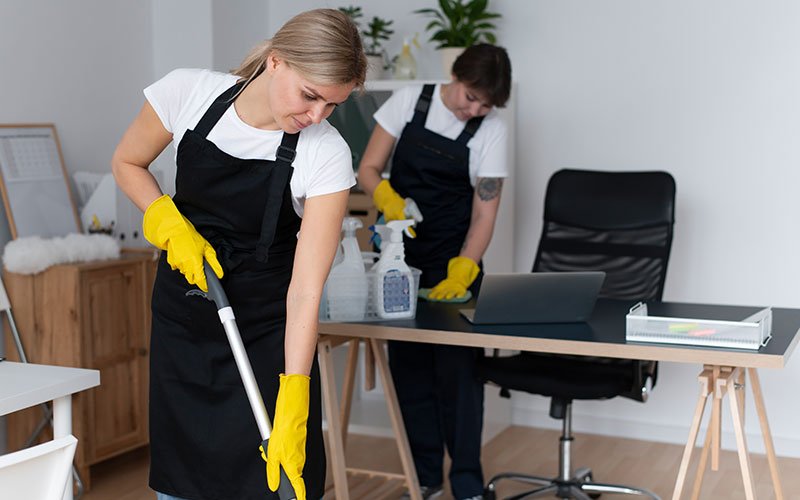
A clean office space is essential for productivity, employee morale, and client satisfaction. A cluttered and dirty workspace can lead to decreased focus, increased stress, and a negative impression on clients and visitors. In order to maintain a clean office space, it is crucial to create a cleaning schedule, declutter and organize, designate cleaning responsibilities, use cleaning products and tools, encourage employee participation, and consider hiring a cleaning service. First and foremost, creating a cleaning schedule is vital for maintaining a clean office space. This schedule should include daily, weekly, and monthly tasks that are assigned to specific employees or teams. Daily tasks may include tidying up workstations, throwing away trash, and wiping down surfaces. Weekly tasks may include vacuuming, dusting, and cleaning the bathroom and kitchen areas. Monthly tasks may include deeper cleaning tasks such as cleaning the windows, refrigerator, and oven. A clean office space is not only essential for productivity and success, but it also reflects positively on your company and helps to build trust with clients and visitors. Decluttering and organizing is another crucial step in maintaining a clean office space. This involves sorting paperwork, documents, and office supplies into categories and assigning a designated storage space. Labeling and signing these storage spaces ensures that everyone knows where things are. Additionally, getting rid of unnecessary items and documents helps to reduce clutter and increase productivity. Designating cleaning responsibilities is also essential for maintaining a clean office space. This involves assigning cleaning tasks to specific employees or teams. Creating a cleaning team that is responsible for maintaining the office space can also be effective. Rotating tasks every few months can help to keep things interesting and prevent boredom. Using cleaning products and tools is also necessary for maintaining a clean office space. Choosing eco-friendly cleaning products that are safe for the environment and employees is crucial. Investing in cleaning tools such as vacuum cleaners, mops, and dusters can also help to make cleaning easier and more efficient. Keeping cleaning supplies accessible and easily available is also important. Encouraging employee participation is also vital for maintaining a clean office space. Leading by example and showing employees that cleaning is a team effort can help to encourage participation. Recognizing and rewarding employees who participate in cleaning and maintaining the office space can also be effective. Making cleaning a team-building activity and encouraging employees to work together can also help to build morale and increase productivity. Finally, considering hiring a cleaning service may be necessary for maintaining a clean office space. This may be particularly useful for large offices or offices with limited staff. Researching and comparing different cleaning services can help to find the best one for your office.
The Benefits of Professional Carpet Cleaning
Carpet cleaning is an essential aspect of maintaining a clean and healthy indoor environment. While regular vacuuming and spot cleaning can help keep carpets looking their best, they are not enough to provide a deep and thorough cleaning. This is where professional carpet cleaning comes in. Professional carpet cleaning offers numerous benefits, from improving indoor air quality to increasing property value. One of the most significant benefits of professional carpet cleaning is its ability to improve indoor air quality. Carpets can harbor allergens, bacteria, and pollutants, which can negatively impact indoor air quality. These contaminants can exacerbate respiratory problems, such as asthma, and even cause illness. Professional carpet cleaning can remove these contaminants, improving the air quality and creating a healthier environment. Another benefit of professional carpet cleaning is its ability to extend the lifespan of carpets. Regular cleaning can remove dirt and debris that can cause wear and tear on carpets. This can help prevent stains from setting, making it easier to maintain the carpet’s appearance. Additionally, professional cleaning can help prevent the growth of mold and mildew, which can damage carpets and create unhealthy conditions. By investing in regular professional cleaning, homeowners and businesses can enjoy cleaner, healthier, and more attractive carpets that enhance the overall aesthetic and value of their space. Professional carpet cleaning can also remove stubborn stains and odors, restoring the carpet’s original appearance and freshness. This is especially beneficial for pet owners or homes with young children. Stains and odors can be difficult to remove, but professional cleaning can make quick work of them. In addition to its practical benefits, professional carpet cleaning can also enhance the appearance of carpets. Clean carpets can make a room look brighter, more welcoming, and more inviting. This can be especially beneficial for businesses, as clean carpets can create a positive impression on customers and clients. Professional carpet cleaning can also support health and hygiene. Carpets can trap bacteria, viruses, and other microorganisms that can cause illness. Professional cleaning can remove these microorganisms, creating a healthier environment for everyone. Finally, professional carpet cleaning can increase property value. Clean, well-maintained carpets can improve the overall appearance and appeal of a space. This can be beneficial for homeowners looking to sell or rent their property.